Trump has no cards left to play

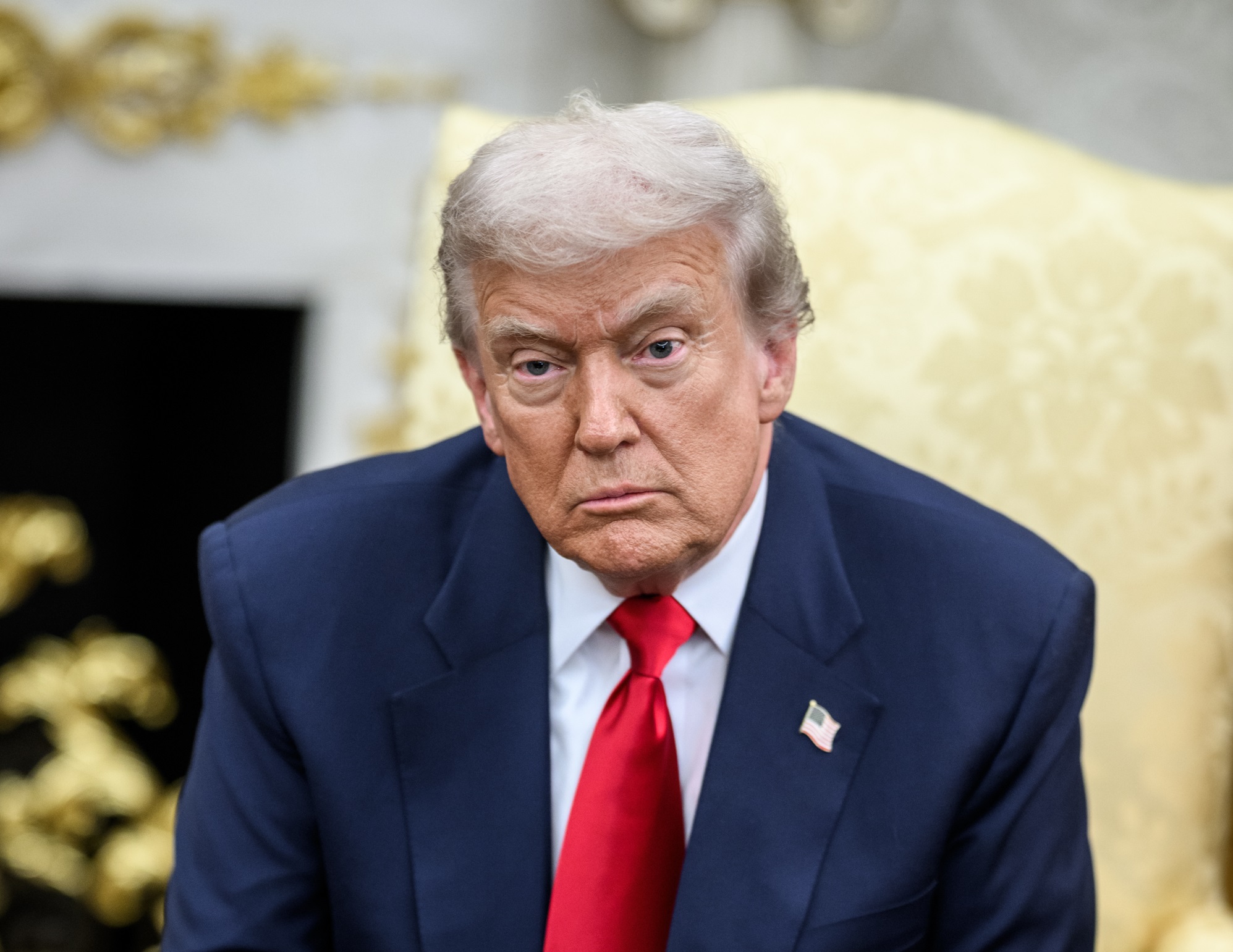
In Iran, Donald Trump is left with nothing but bad options. The first would be to declare victory and withdraw his troops. Nothing would prevent him from doing so, but nothing would lend credibility to this fairy tale either. Not only would his personal credibility be damaged eight months before the mid-term elections, but that of the United States would suffer even more in the Gulf states, the entire Middle East and the rest of the world.

The Iranian regime, on the other hand, would emerge just as much of a winner as if – in a second option – Donald Trump decided to strike a sham agreement with it. As it has always done, the Islamic Republic would pledge never to acquire the bomb. There would be even fewer reasons to believe it today than yesterday, but in exchange for illusory guarantees, it would secure a gradual lifting of the economic sanctions imposed upon it. Its leaders could thus regain the upper hand, to the great misfortune of their people, the greatest concern of their neighbours, and the greatest satisfaction of China and Russia, which would be bolstered by the victory of a power of which they are allies.

Donald Trump would of course be able to claim, in capital letters, that he had forced the Iranian regime to make concessions that no one but him could have secured. He would convince himself of this, but no other country would be fooled, as it would be obvious that he had waged two wars to reach an agreement that was far less robust than the one the Europeans and Barack Obama had negotiated in 2015 – an agreement he saw fit to scrap after his first election.

Here again, the credibility of the United States and his own would be severely damaged, but the third option—sending ground troops—would entail enormous risks. Apart from the fact that these men could suffer heavy losses that no section of the American public opinion would be prepared to accept, the Iranian regime would no longer hesitate to strike at all the monarchies’ infrastructure, including their desalination plants.

The economic consequences of an all-out war would be such that Donald Trump has, for the time being, only considered the occupation of one single island in the Persian Gulf: Kharg Island, which is vital to Iranian oil exports. He hoped, in this scenario, to secure a bargaining chip that he could then exchange for real concessions, but this last-ditch plan is highly uncertain, as the Islamic Republic is well aware that the White House cannot sustain the pressure over the long term.

Donald Trump can now only emerge victorious if the Iranian regime were to suddenly collapse due to the exhaustion of its resources and the internal divisions that would ensue. This cannot be ruled out, especially as it would be far from surprising, but there is no guarantee that this regime will run out of steam sooner than the man himself who believed he could bring it down in a weekend.

Donald Trump’s popularity has fallen so sharply that the Gallup Institute has stopped measuring it. With more than 3,000 processions marching last Saturday chanting “No king!” and increasingly deep rifts between leading figures in the MAGA movement, this president is finding himself more and more backed into a corner. His weakened position may lead him to overreact, as he did when he incited his supporters to storm the Capitol following his 2020 defeat by Joe Biden.

Uncertainty looms over the United States, as it has lost its global hegemony and seen its domestic consensus replaced by deep divisions between the two Americas now embodied by Texas and California, or Florida and New York.

Because the world no longer has a policeman, Europe must assert its defence capabilities, its industries and its alliances with the many powerful countries that no longer wish to depend on either China or the United States. It must do so resolutely, for it cannot shirk the responsibilities that the changing of era imposes upon it.

Photo: rawpixel.com

Français

Trump has no cards left to play

In Iran, Donald Trump is left with nothing but bad options. The first would be to declare victory and withdraw his troops. Nothing would prevent him from doing so, but nothing would lend credibility to this fairy tale either. Not only would his personal credibility be damaged eight months before the mid-term elections, but that of the United States would suffer even more in the Gulf states, the entire Middle East and the rest of the world.

The Iranian regime, on the other hand, would emerge just as much of a winner as if – in a second option – Donald Trump decided to strike a sham agreement with it. As it has always done, the Islamic Republic would pledge never to acquire the bomb. There would be even fewer reasons to believe it today than yesterday, but in exchange for illusory guarantees, it would secure a gradual lifting of the economic sanctions imposed upon it. Its leaders could thus regain the upper hand, to the great misfortune of their people, the greatest concern of their neighbours, and the greatest satisfaction of China and Russia, which would be bolstered by the victory of a power of which they are allies.

Donald Trump would of course be able to claim, in capital letters, that he had forced the Iranian regime to make concessions that no one but him could have secured. He would convince himself of this, but no other country would be fooled, as it would be obvious that he had waged two wars to reach an agreement that was far less robust than the one the Europeans and Barack Obama had negotiated in 2015 – an agreement he saw fit to scrap after his first election.

Here again, the credibility of the United States and his own would be severely damaged, but the third option—sending ground troops—would entail enormous risks. Apart from the fact that these men could suffer heavy losses that no section of the American public opinion would be prepared to accept, the Iranian regime would no longer hesitate to strike at all the monarchies’ infrastructure, including their desalination plants.

The economic consequences of an all-out war would be such that Donald Trump has, for the time being, only considered the occupation of one single island in the Persian Gulf: Kharg Island, which is vital to Iranian oil exports. He hoped, in this scenario, to secure a bargaining chip that he could then exchange for real concessions, but this last-ditch plan is highly uncertain, as the Islamic Republic is well aware that the White House cannot sustain the pressure over the long term.

Donald Trump can now only emerge victorious if the Iranian regime were to suddenly collapse due to the exhaustion of its resources and the internal divisions that would ensue. This cannot be ruled out, especially as it would be far from surprising, but there is no guarantee that this regime will run out of steam sooner than the man himself who believed he could bring it down in a weekend.

Donald Trump’s popularity has fallen so sharply that the Gallup Institute has stopped measuring it. With more than 3,000 processions marching last Saturday chanting “No king!” and increasingly deep rifts between leading figures in the MAGA movement, this president is finding himself more and more backed into a corner. His weakened position may lead him to overreact, as he did when he incited his supporters to storm the Capitol following his 2020 defeat by Joe Biden.

Uncertainty looms over the United States, as it has lost its global hegemony and seen its domestic consensus replaced by deep divisions between the two Americas now embodied by Texas and California, or Florida and New York.

Because the world no longer has a policeman, Europe must assert its defence capabilities, its industries and its alliances with the many powerful countries that no longer wish to depend on either China or the United States. It must do so resolutely, for it cannot shirk the responsibilities that the changing of era imposes upon it.

Photo: rawpixel.com

Français