The End of the American World

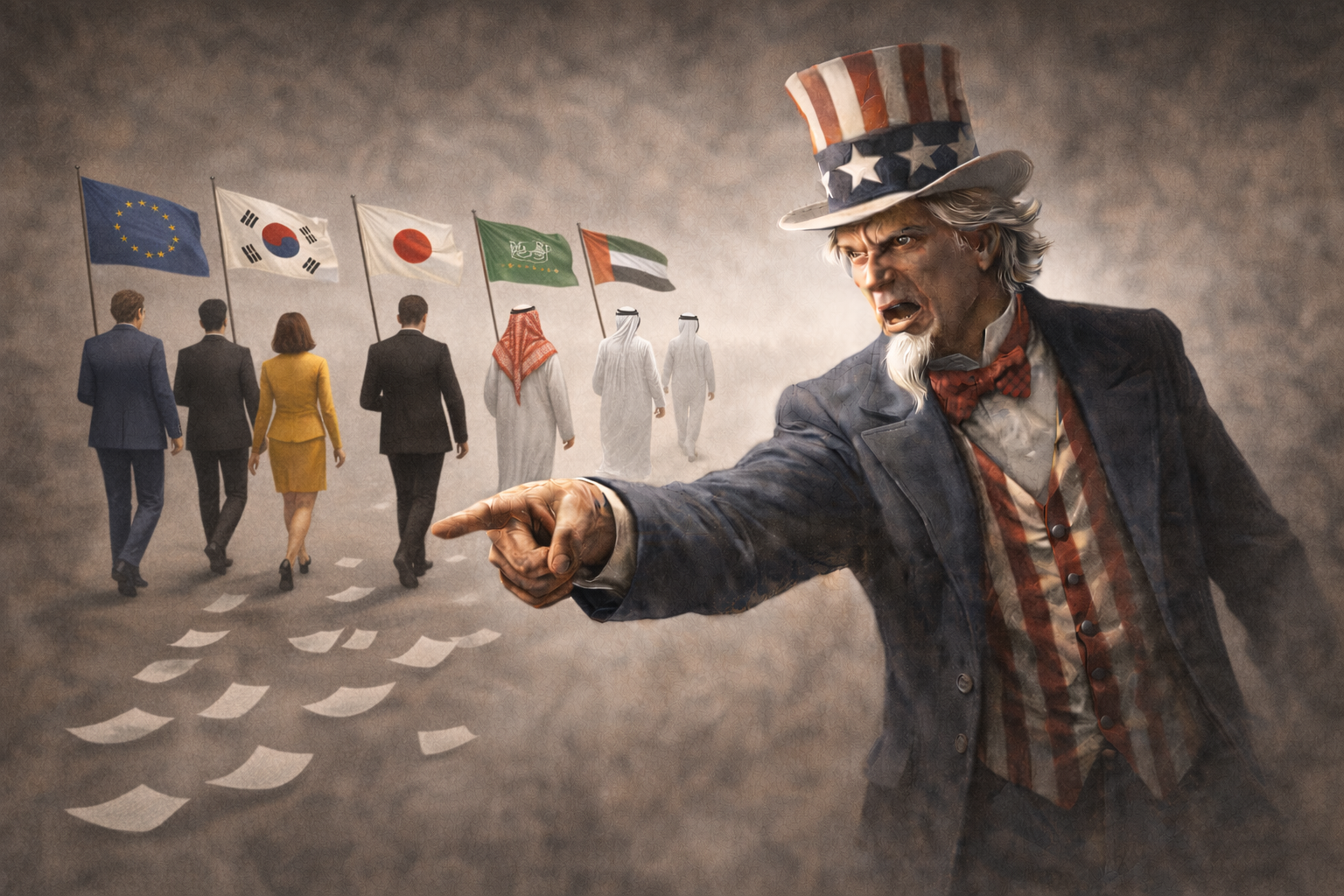
These are countries where, until very recently, it would have been unthinkable to voice even the slightest criticism of the United States. Entirely dependent on American protection against North Korea and China, Japan and South Korea shared the same relationship of absolute deference toward Washington that Germany and Poland did not long ago.

But that is no longer true—far from it—and this shift could well sow the seeds of a new world order.

Not only are defense budgets on the rise in Seoul and Tokyo, and not only are they now as aware as Berlin or Warsaw of the need to be able to defend themselves, but the war in Iran is now shaking the faith of Koreans and Japanese in their ally across the Pacific.

This is not being said outright. The words are carefully phrased, more suggesting than stating, but the messages conveyed last week to a European Parliament delegation were no less clear. First, U.S. threats to withdraw from NATO are worrying Seoul and Tokyo, as this precedent could lead the United States to distance itself from its Asian allies in the future.

In this regard, the Japanese and Koreans share the fear that Donald Trump might attempt to strike a compromise with Xi Jinping aimed at securing dominant roles for China and the United States for the long term. This compromise would sacrifice Taiwan, which Beijing would no longer even need to invade to subjugate. Such a compromise would also be made at the expense of Japan and Korea—just as an agreement between the White House and the Kremlin would be made at the expense of Ukraine and all of Europe.

Sparked by Donald Trump’s reelection, these two fears have been dramatically amplified by the war in Iran. Because more than three-fifths of their oil supplies pass through the Strait of Hormuz, Koreans and Japanese have been put in a bind by an ally who did not warn them of his intentions, much less consult them, but is now pressing them to figure out how to reopen this chokepoint, side by side with the Europeans.

When I mentioned this American demand, a lawmaker from the ruling right-wing coalition in Tokyo simply burst out in laughter. Another, whom I had asked whether, in his view, the United States currently constituted a stabilizing or destabilizing force, replied that we—Europeans and Japanese alike—must do everything we can to convince them to remain on the side of stabilization—a position they, in other words, no longer occupy.

It is not only that Koreans and Japanese find it hard to forgive the United States for undermining their growth through this improvised war. Above all, they are appalled by the amateurism displayed by the American leadership.

This is called a crisis of confidence. It is not temporary. It is just as serious as those the United States created in Europe by attempting to annex Greenland, and later in the oil monarchies by proving incapable of protecting them from Iranian retaliation that Donald Trump had not foreseen.

In these countries where, until just yesterday, they felt right at home, the United States’ credibility is becoming a thing of the past. But does their unpredictability truly pave the way for this “coalition of the willing” that Emmanuel Macron called for last week in Tokyo and then Seoul?

We’re not there yet. Canada is on board, Brazil and India might be, and Britain is getting there, but—like Poland not so long ago—the Koreans and Japanese do not want to rush distancing themselves from the United States. They have not yet resigned themselves to such a move. Cautious, they are drawing closer to Europe while politely remaining on the sidelines. Yet, Trumpist aberrations upended the political landscape, and the French president, as a European, has planted in it the seeds of a new world order, a “third way,” as he calls it, between China and the United States.

Français

The End of the American World

These are countries where, until very recently, it would have been unthinkable to voice even the slightest criticism of the United States. Entirely dependent on American protection against North Korea and China, Japan and South Korea shared the same relationship of absolute deference toward Washington that Germany and Poland did not long ago.

But that is no longer true—far from it—and this shift could well sow the seeds of a new world order.

Not only are defense budgets on the rise in Seoul and Tokyo, and not only are they now as aware as Berlin or Warsaw of the need to be able to defend themselves, but the war in Iran is now shaking the faith of Koreans and Japanese in their ally across the Pacific.

This is not being said outright. The words are carefully phrased, more suggesting than stating, but the messages conveyed last week to a European Parliament delegation were no less clear. First, U.S. threats to withdraw from NATO are worrying Seoul and Tokyo, as this precedent could lead the United States to distance itself from its Asian allies in the future.

In this regard, the Japanese and Koreans share the fear that Donald Trump might attempt to strike a compromise with Xi Jinping aimed at securing dominant roles for China and the United States for the long term. This compromise would sacrifice Taiwan, which Beijing would no longer even need to invade to subjugate. Such a compromise would also be made at the expense of Japan and Korea—just as an agreement between the White House and the Kremlin would be made at the expense of Ukraine and all of Europe.

Sparked by Donald Trump’s reelection, these two fears have been dramatically amplified by the war in Iran. Because more than three-fifths of their oil supplies pass through the Strait of Hormuz, Koreans and Japanese have been put in a bind by an ally who did not warn them of his intentions, much less consult them, but is now pressing them to figure out how to reopen this chokepoint, side by side with the Europeans.

When I mentioned this American demand, a lawmaker from the ruling right-wing coalition in Tokyo simply burst out in laughter. Another, whom I had asked whether, in his view, the United States currently constituted a stabilizing or destabilizing force, replied that we—Europeans and Japanese alike—must do everything we can to convince them to remain on the side of stabilization—a position they, in other words, no longer occupy.

It is not only that Koreans and Japanese find it hard to forgive the United States for undermining their growth through this improvised war. Above all, they are appalled by the amateurism displayed by the American leadership.

This is called a crisis of confidence. It is not temporary. It is just as serious as those the United States created in Europe by attempting to annex Greenland, and later in the oil monarchies by proving incapable of protecting them from Iranian retaliation that Donald Trump had not foreseen.

In these countries where, until just yesterday, they felt right at home, the United States’ credibility is becoming a thing of the past. But does their unpredictability truly pave the way for this “coalition of the willing” that Emmanuel Macron called for last week in Tokyo and then Seoul?

We’re not there yet. Canada is on board, Brazil and India might be, and Britain is getting there, but—like Poland not so long ago—the Koreans and Japanese do not want to rush distancing themselves from the United States. They have not yet resigned themselves to such a move. Cautious, they are drawing closer to Europe while politely remaining on the sidelines. Yet, Trumpist aberrations upended the political landscape, and the French president, as a European, has planted in it the seeds of a new world order, a “third way,” as he calls it, between China and the United States.

Français