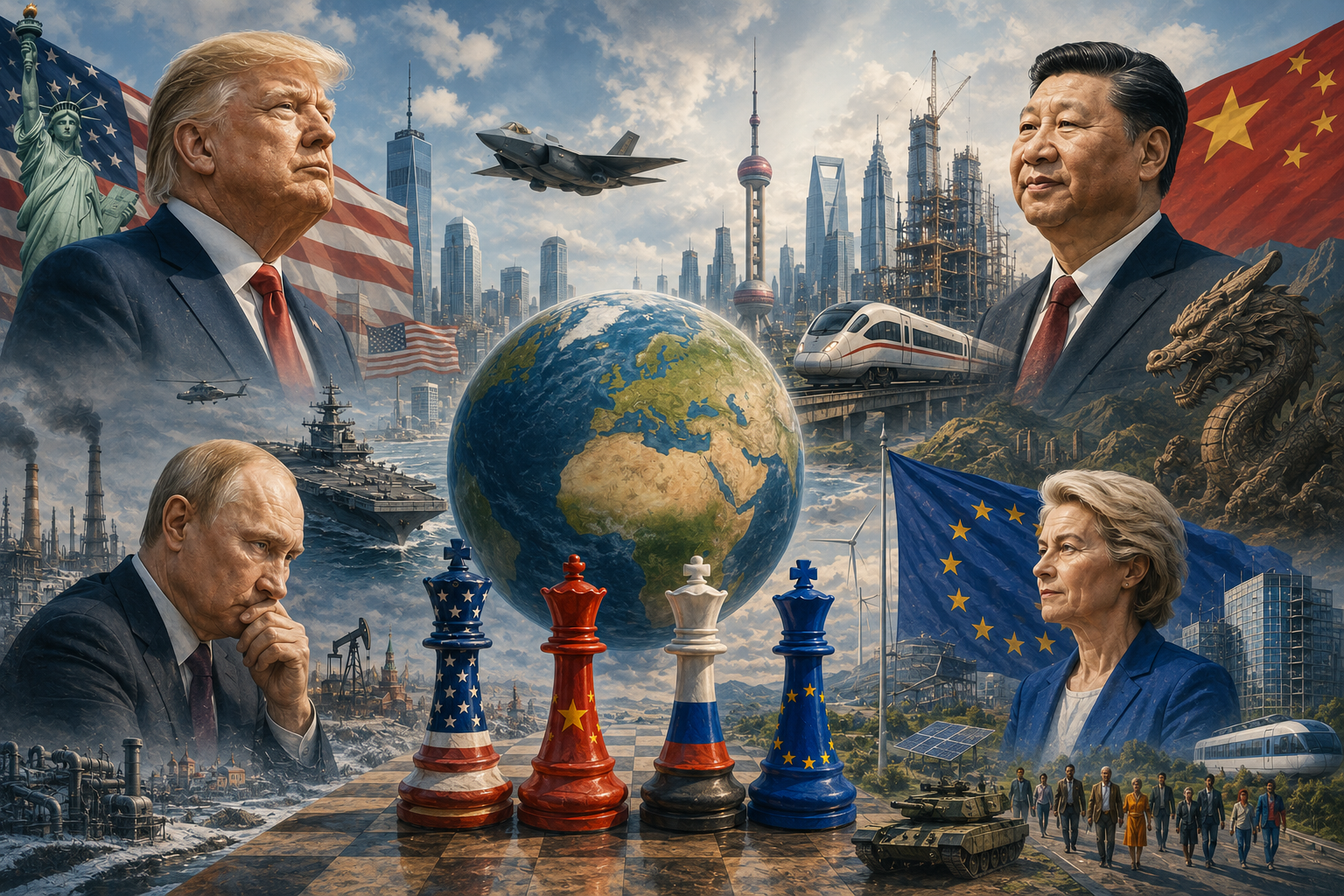
A century ago, we knew. In the aftermath of the First World War, we knew that the United States would dominate the 20th century because it had just asserted its pre-eminence over the two superpowers of the time, France and Great Britain. It was clear, indisputable and undisputed, but what about today?
What is striking today is that none of the competing powers is truly pulling ahead of the others—neither China with its vulnerabilities, nor the United States with its feet of clay, nor Russia, exhausted by war, nor Europe, whose revival remains deeply uncertain.
As the world’s second-largest economy and well on the way to snatching the top spot from the United States, China appears to be the best placed of the four. Its rise has been so rapid that it is with the aura of a supreme power that it is hosting Vladimir Putin this week, following Donald Trump last week.
For many experts, the die is cast. This century is surely set to be China’s, but a power that cannot provide jobs for its young graduates and no longer knows where to export its surplus production, which must manage the ageing of its population and is endlessly purging its political leaders and generals, which proves incapable of resolving a sprawling property crisis and cannot secure influential allies on any continent— is such a regime really as strong as they say?
There is no evidence to suggest so. That remains to be seen, for in a country where everything depends on a single man and where social and regional inequalities run so deep, a growth crisis could quickly turn into a crisis of the regime. China is a question mark, but as for the United States, there is no mystery: it is running out of steam before our very eyes.
As the world’s leading economic and military power, America has lost credibility with its allies in Europe, the Gulf and Asia since re-electing Donald Trump as president. Just as divided as it was on the eve of the Civil War, it now strikes fear only into the hearts of Cuban leaders and is coming up against a brick wall in Iran, despite the regime being both hated and cash-strapped. It retains three major assets: the power to cause disruption, the dollar and its technological lead. This is, of course, no small matter, but yesterday’s superpower is now reduced to using Taiwan as a ‘bargaining chip’ with Xi Jinping, who no longer fears it much and looks down on it.
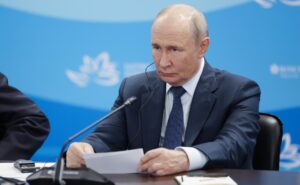
Even after Trump, the United States will struggle to heal its wounds; yet whilst it still has the chance to bounce back, Russia has already condemned itself to a long eclipse. Ever since its president chose an ambition of imperial reconquest over the industrialisation and socio-political stabilisation for which its energy wealth and cultural level nevertheless provided the means, the Russian Federation has taken a giant step backwards.
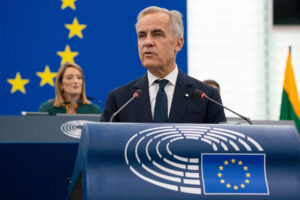
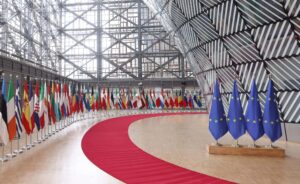
As the world’s largest country, Russia could even break up, whilst, conversely, the European Union is closing ranks ever more tightly and is set to expand once again. United as never before in its support for Ukraine, its refusal to let America annex Greenland and its opposition to the Iranian adventure, the Union has set about establishing a common defence and is asserting itself as a political power.
The other European democracies are moving closer to it. With Canada leading the way, countries on other continents are also tempted to do so. Europe is regaining its strength, but it will only secure its place by succeeding in building its own civilian and military industrial giants, unifying its capital markets to this end, creating the conditions for co-development with Africa, and defining differentiated levels of integration that allow the Union to expand without risking institutional deadlock.
The Member States, the Parliament and the Commission are aware of this. In Brussels and in the 27 capitals, this is all anyone talks about, but if Europe is not to miss its rendezvous with history, it must move from words to deeds now.