Donald Trump’s defeat in Hungary

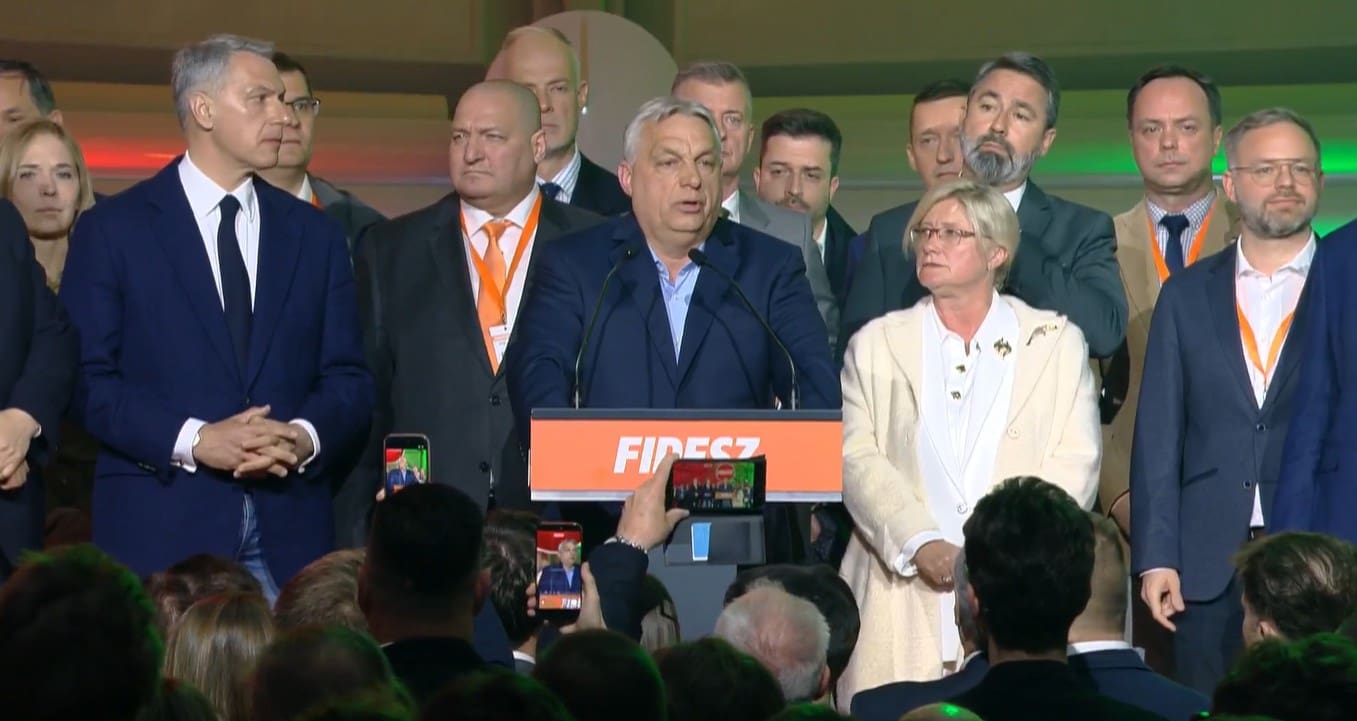
The relief is immense, but there is still a great deal of work to be done. Viktor Orbán’s defeat is cause for celebration, as Hungary can now emerge from a semi-dictatorship that was as much admired by Vladimir Putin as it was applauded by Donald Trump and the European far right, who had held it up as a model to follow.

The Hungarians have had enough of the subjugation of the judiciary, the stranglehold on the press and universities, the misappropriation of European funds and the systematic awarding of public contracts to the Prime Minister’s associates, who have suddenly become so rich.

For Hungary at least, it is the end of the “illiberalism” that this man invented by stripping democracy of its checks and balances.

It is the end of ministers briefing the Kremlin within the hour on the deliberations of European leaders. Gone is the Prime Minister who declared to Vladimir Putin last October: “I am at your service” and blocked the disbursement of the 90 billion euros that the Union had nevertheless decided last December, unanimously and thus with his vote, to lend to Ukraine.

Yes, the sixteen years of uninterrupted power of Donald Trump and Vladimir Putin’s favourite son are finally over, but how can we forget that the reasons behind Viktor Orbán’s success remain deep-seated and continue to fuel nationalism and the rejection of liberal democracy everywhere?

In Hungary, as in all the countries of the former Soviet bloc, it was the brutality of the transition to a market economy that allowed the far right to resurface. Emerging from a system that denied them well-being and freedom but guaranteed complete socio-political stability, the populations of the USSR and Central Europe were suddenly confronted with unemployment, soaring prices and a dramatic rise in social inequality.

Whilst young urban dwellers thrived on the change, rural residents and the most vulnerable sought refuge in traditions and national borders. European unity and openness to international competition versus fear of the foreign and the glorification of the nation: two major opposing currents thus emerged in these countries, whilst the former free world underwent a very similar evolution.

In Western Europe as in the United States, it was the decline in industrial employment due to competition from low-cost production countries, the retreat of public services and the rise in immigration that gave rise to this same fear of the outside world and this same nostalgia for mythologised pasts. A shared sense of unease among men regarding the changing role of women has compounded this everywhere, and thus Viktor Orbán’s illiberalism has become the vanguard of a reactionary international alliance linking the White House and the Kremlin.

The scale of corruption and the erosion of power eventually brought down the far right in Hungary, but it is gaining ground in Germany and taking root in France, Britain and Austria. It will remain a persistent and unavoidable force, and democrats will only be able to contain it under two conditions.

The first is to reinvent the social promise that democracy embodied from the end of the war until the 1980s. The free world, at that time, was not just about freedom but also the steady rise of the middle classes and living standards.

Until freedom once again becomes synonymous with progress and fairness, that right to ‘the pursuit of happiness’ enshrined in the US Constitution will remain the great, deceptive yet powerful, asset of the new far-right movements.

The battle is far from over. It is and will remain uncertain, and the Democrats will not win it unless centrists and social democrats unite in a common struggle for justice and freedom. Only if this second condition is met will the reactionary international suffer further defeats.

Donald Trump’s defeat in Hungary

The relief is immense, but there is still a great deal of work to be done. Viktor Orbán’s defeat is cause for celebration, as Hungary can now emerge from a semi-dictatorship that was as much admired by Vladimir Putin as it was applauded by Donald Trump and the European far right, who had held it up as a model to follow.

The Hungarians have had enough of the subjugation of the judiciary, the stranglehold on the press and universities, the misappropriation of European funds and the systematic awarding of public contracts to the Prime Minister’s associates, who have suddenly become so rich.

For Hungary at least, it is the end of the “illiberalism” that this man invented by stripping democracy of its checks and balances.

It is the end of ministers briefing the Kremlin within the hour on the deliberations of European leaders. Gone is the Prime Minister who declared to Vladimir Putin last October: “I am at your service” and blocked the disbursement of the 90 billion euros that the Union had nevertheless decided last December, unanimously and thus with his vote, to lend to Ukraine.

Yes, the sixteen years of uninterrupted power of Donald Trump and Vladimir Putin’s favourite son are finally over, but how can we forget that the reasons behind Viktor Orbán’s success remain deep-seated and continue to fuel nationalism and the rejection of liberal democracy everywhere?

In Hungary, as in all the countries of the former Soviet bloc, it was the brutality of the transition to a market economy that allowed the far right to resurface. Emerging from a system that denied them well-being and freedom but guaranteed complete socio-political stability, the populations of the USSR and Central Europe were suddenly confronted with unemployment, soaring prices and a dramatic rise in social inequality.

Whilst young urban dwellers thrived on the change, rural residents and the most vulnerable sought refuge in traditions and national borders. European unity and openness to international competition versus fear of the foreign and the glorification of the nation: two major opposing currents thus emerged in these countries, whilst the former free world underwent a very similar evolution.

In Western Europe as in the United States, it was the decline in industrial employment due to competition from low-cost production countries, the retreat of public services and the rise in immigration that gave rise to this same fear of the outside world and this same nostalgia for mythologised pasts. A shared sense of unease among men regarding the changing role of women has compounded this everywhere, and thus Viktor Orbán’s illiberalism has become the vanguard of a reactionary international alliance linking the White House and the Kremlin.

The scale of corruption and the erosion of power eventually brought down the far right in Hungary, but it is gaining ground in Germany and taking root in France, Britain and Austria. It will remain a persistent and unavoidable force, and democrats will only be able to contain it under two conditions.

The first is to reinvent the social promise that democracy embodied from the end of the war until the 1980s. The free world, at that time, was not just about freedom but also the steady rise of the middle classes and living standards.

Until freedom once again becomes synonymous with progress and fairness, that right to ‘the pursuit of happiness’ enshrined in the US Constitution will remain the great, deceptive yet powerful, asset of the new far-right movements.

The battle is far from over. It is and will remain uncertain, and the Democrats will not win it unless centrists and social democrats unite in a common struggle for justice and freedom. Only if this second condition is met will the reactionary international suffer further defeats.