Iran, Europe and the intellectual laziness

Europe is divided, passive and so powerless that its decline is now a foregone conclusion. We hear this said constantly. It is the first of two misconceptions about the current situation in Iran, but nothing could be further from the truth.

It is true that Germany does not disapprove of the United States and Israel going to war, when Spain condemns it, but while the Germans are not lifting a finger, the Spanish have joined France in protecting Cyprus, a member state of the European Union to which its partners must lend their support.

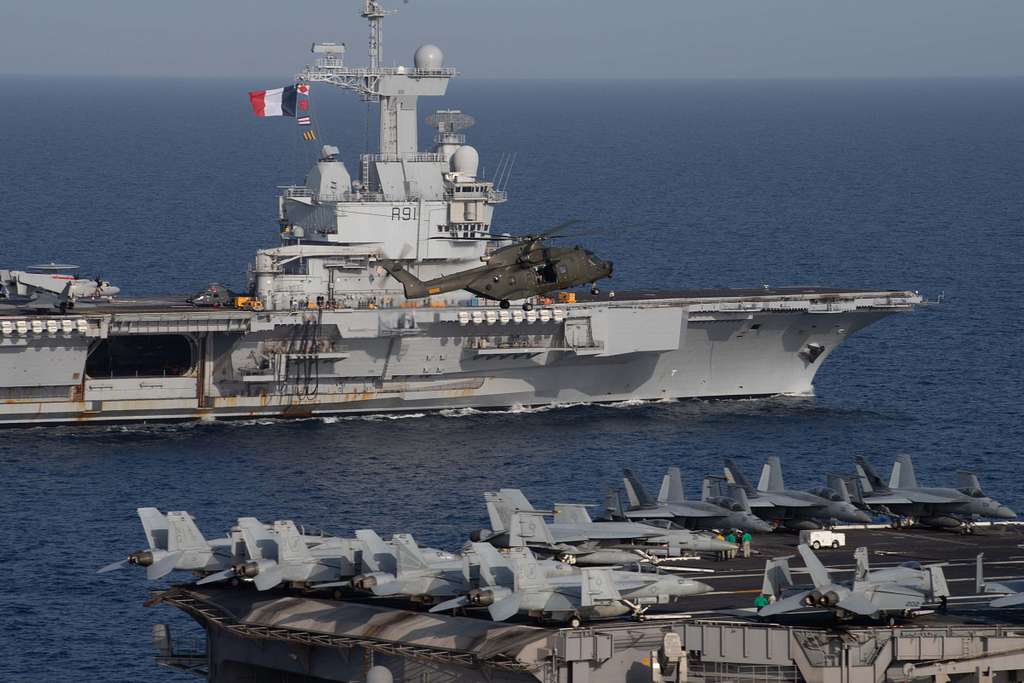
As the Union’s only military powerhouse, France has sent its aircraft carrier to the Mediterranean to assist the Gulf countries with which it has defence agreements. France does not intend to participate in the Israeli-American offensive, but by defending its Middle Eastern allies, it is standing up to Iran’s response and, in effect, countering the Islamic Republic.

Europe is not at war, but none of its states would want the Iranian theocracy to prevail, as their security is at stake in the Middle East as much as in Ukraine. Not only are Europeans far from being passive, but, by coincidence, it was on the third day of this war that Emmanuel Macron solemnly proposed extending French nuclear deterrence to those EU countries that wished it.

This is not a question of communitarising the strike force, let alone the possible decision to use it. Nor is it a question of replacing the US umbrella with a French one, but rather of gradually structuring national defences around French deterrence, as they are today around American nuclear power.

Two protection systems could thus coexist, and Europe could thereby prepare for the eventuality that the United States might withdraw its protection. Led by Germany, eight EU member states are already on board, and at the same time, on the fifth day of this war, the European Union announced the establishment of a European preference when public money is involved.

Europeans are moving away from the dogmas of free trade, beginning to protect their industries and preparing to defend themselves. Europe is moving, but there is a total intellectual laziness which leads to a widespread condemnation of its paralysis, just as it is being repeated mechanically that only ground troops can bring down a regime.

Strange. The Iranian theocracy’s chains of command, weapons stocks and civil and military infrastructure are going up in smoke. Hated by its people and clearly divided, this regime will not recover from the destruction and humiliation it is suffering. Perhaps it will survive in the form of men who have left its ranks, but Iranian women behind the veils, the Supreme Leader’s hold on power, Tehran’s regional proxies ready to take part in the final offensive against ‘the Zionist entity’, and the idea that Iran, the Persian and Shiite power, would lead the Sunni and Arab masses in a historic revenge against the West – this half-century-old dream is collapsing because, no, force is not used in vain.

It destroys and subjugates, but it is also true that, even rid of its theocracy, Iran will still have to avoid political turmoil and the possible secession of its ethnic and religious minorities. It is by no means impossible that it will succeed in doing so, but it will have to rely solely on itself in this task, because neither Donald Trump nor Benjamin Netanyahu even claim that their goal is to turn Iran into a democracy.

One wants to bring it back into the American sphere of influence and deprive China of an essential oil supply. The other wants Iran to stop working towards its destruction. This century is not bothered with pretences, but reverts to the force of arms and the raison d’état. Yes, bombs do change the game, and no, Europe is not asleep.

Français Polski

Iran, Europe and the intellectual laziness

Europe is divided, passive and so powerless that its decline is now a foregone conclusion. We hear this said constantly. It is the first of two misconceptions about the current situation in Iran, but nothing could be further from the truth.

It is true that Germany does not disapprove of the United States and Israel going to war, when Spain condemns it, but while the Germans are not lifting a finger, the Spanish have joined France in protecting Cyprus, a member state of the European Union to which its partners must lend their support.

As the Union’s only military powerhouse, France has sent its aircraft carrier to the Mediterranean to assist the Gulf countries with which it has defence agreements. France does not intend to participate in the Israeli-American offensive, but by defending its Middle Eastern allies, it is standing up to Iran’s response and, in effect, countering the Islamic Republic.

Europe is not at war, but none of its states would want the Iranian theocracy to prevail, as their security is at stake in the Middle East as much as in Ukraine. Not only are Europeans far from being passive, but, by coincidence, it was on the third day of this war that Emmanuel Macron solemnly proposed extending French nuclear deterrence to those EU countries that wished it.

This is not a question of communitarising the strike force, let alone the possible decision to use it. Nor is it a question of replacing the US umbrella with a French one, but rather of gradually structuring national defences around French deterrence, as they are today around American nuclear power.

Two protection systems could thus coexist, and Europe could thereby prepare for the eventuality that the United States might withdraw its protection. Led by Germany, eight EU member states are already on board, and at the same time, on the fifth day of this war, the European Union announced the establishment of a European preference when public money is involved.

Europeans are moving away from the dogmas of free trade, beginning to protect their industries and preparing to defend themselves. Europe is moving, but there is a total intellectual laziness which leads to a widespread condemnation of its paralysis, just as it is being repeated mechanically that only ground troops can bring down a regime.

Strange. The Iranian theocracy’s chains of command, weapons stocks and civil and military infrastructure are going up in smoke. Hated by its people and clearly divided, this regime will not recover from the destruction and humiliation it is suffering. Perhaps it will survive in the form of men who have left its ranks, but Iranian women behind the veils, the Supreme Leader’s hold on power, Tehran’s regional proxies ready to take part in the final offensive against ‘the Zionist entity’, and the idea that Iran, the Persian and Shiite power, would lead the Sunni and Arab masses in a historic revenge against the West – this half-century-old dream is collapsing because, no, force is not used in vain.

It destroys and subjugates, but it is also true that, even rid of its theocracy, Iran will still have to avoid political turmoil and the possible secession of its ethnic and religious minorities. It is by no means impossible that it will succeed in doing so, but it will have to rely solely on itself in this task, because neither Donald Trump nor Benjamin Netanyahu even claim that their goal is to turn Iran into a democracy.

One wants to bring it back into the American sphere of influence and deprive China of an essential oil supply. The other wants Iran to stop working towards its destruction. This century is not bothered with pretences, but reverts to the force of arms and the raison d’état. Yes, bombs do change the game, and no, Europe is not asleep.

Français Polski