The post-Putin era

We must anticipate the end of his rule. Whether in three days, three months or three years, Vladimir Putin’s time will be up – and not just because Russian social media is overflowing with complaints about the economic hardships faced by a population now witnessing an increase in Ukrainian strikes on its soil. For Putin, this war—which he did not even want to name, so short was it supposed to be—has gone very badly, but it is not another version of himself who will succeed him. When this long and grim chapter of history ends for this dictator, the entire Putinist ideology will crumble, because the exhaustion of this system has now erased its initial triumph.

Vladimir Putin’s initial advantage was that he was the absolute antithesis of what the Russians no longer wanted. The old alcoholic, already foggy-headed by mid-morning, was succeeded at the turn of the century by a slender young man, all muscle and fresh out of the secret services. Boris Yeltsin, the godfather of rampant privatisation, was sidelined in favour of a James Bond figure who promised both revenge against the plundering of national wealth and the reaffirmation of Russian greatness.

An unlikely promise of a Russian ‘Mani pulite’ and a ‘Make Russia Great Again’, Vladimir Putin was thus hailed as a saviour. He is the avenger of a humiliated Russia, and his popularity is so overwhelming that it will take the Russians some ten years to realise that they have swapped Boris Yeltsin’s oligarchs for those of his successor, and a non-violent, senile mafioso for a cruel gang leader under whom opposition becomes a deadly disease.

This marked the end of the first phase of Putinism, and because even dictators need legitimacy—and no doubt also because this ambition flattered him— Putin then set about rebuilding the empire—not that of the USSR, but that of the tsars, which he blamed Lenin for dismantling by turning it into a Union of Republics with recognised national identities.

This led to the annexation of Crimea, the insidious takeover of the Donbas, and then the invasion of Ukraine—an adventure whose early stages did not displease all Russians in the urban middle classes, since it was not their children being sent to the front and because Crimea, Ukraine… “it was ours anyway”, many of them think and whisper.

This venture could have ensured the regime’s survival for many decades to come, but ‘Putinism, version two’ is being crushed by Ukrainian resistance and will not see a third iteration, because Putin is now too old to reinvent himself.

Stubbornly clinging to a failure from which he no longer knows how to extricate himself, he may wish to test Europe in the Baltic states. He will sink deeper into his mistake until it is too late even to attempt a comeback, and his successors will split so quickly that their rivalries will create a vacuum.

Each will seek allies. Each will want to make the most obvious break with a past of setbacks and humiliations. In short, a wind of boldness and freedom will blow, one that always marks the end of overly long dictatorships and sweeps them away in its wake.

Unfortunately, we cannot rule out the possibility that this may be nothing more than a brief interlude, not much longer than Lenin’s New Economic Policy, Khrushchev’s Thaw, Gorbachev’s Perestroika or Yeltsin’s anarchy. The difficulties will be so great that a new freeze could follow the thaw, but since Stalin’s death, Russia has embarked on a slow and interminable march towards freedom, whose setbacks and reversals cannot make us forget that it is constant. The road ahead remains long. It is uncertain, but between the storming of the Bastille and the stabilisation of its democracy, France experienced eighty years of upheaval – ten more than Russia has endured from de-Stalinisation to the present day.

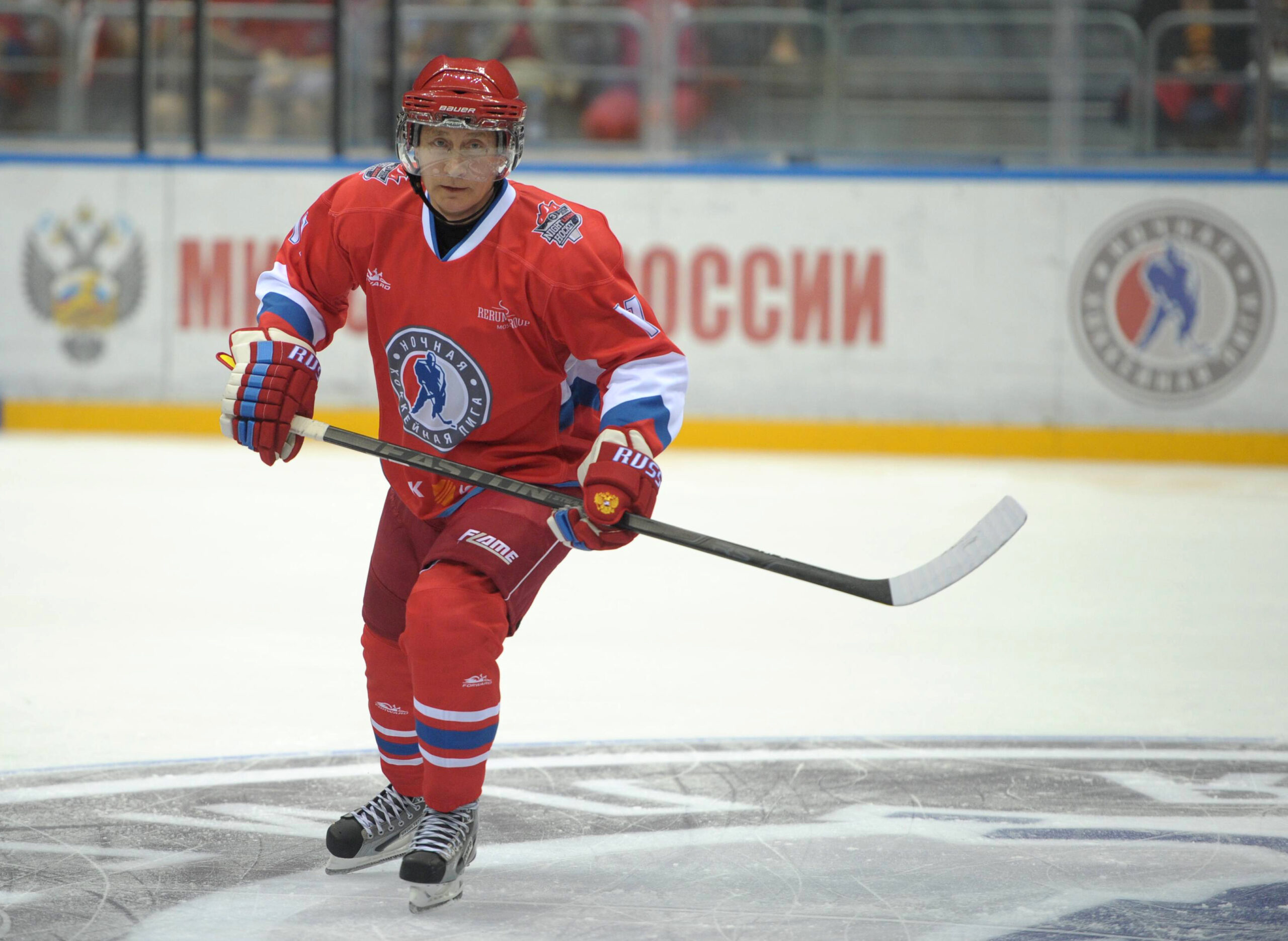
Photo: kremlin.ru

Français Polski Română

The post-Putin era

We must anticipate the end of his rule. Whether in three days, three months or three years, Vladimir Putin’s time will be up – and not just because Russian social media is overflowing with complaints about the economic hardships faced by a population now witnessing an increase in Ukrainian strikes on its soil. For Putin, this war—which he did not even want to name, so short was it supposed to be—has gone very badly, but it is not another version of himself who will succeed him. When this long and grim chapter of history ends for this dictator, the entire Putinist ideology will crumble, because the exhaustion of this system has now erased its initial triumph.

Vladimir Putin’s initial advantage was that he was the absolute antithesis of what the Russians no longer wanted. The old alcoholic, already foggy-headed by mid-morning, was succeeded at the turn of the century by a slender young man, all muscle and fresh out of the secret services. Boris Yeltsin, the godfather of rampant privatisation, was sidelined in favour of a James Bond figure who promised both revenge against the plundering of national wealth and the reaffirmation of Russian greatness.

An unlikely promise of a Russian ‘Mani pulite’ and a ‘Make Russia Great Again’, Vladimir Putin was thus hailed as a saviour. He is the avenger of a humiliated Russia, and his popularity is so overwhelming that it will take the Russians some ten years to realise that they have swapped Boris Yeltsin’s oligarchs for those of his successor, and a non-violent, senile mafioso for a cruel gang leader under whom opposition becomes a deadly disease.

This marked the end of the first phase of Putinism, and because even dictators need legitimacy—and no doubt also because this ambition flattered him— Putin then set about rebuilding the empire—not that of the USSR, but that of the tsars, which he blamed Lenin for dismantling by turning it into a Union of Republics with recognised national identities.

This led to the annexation of Crimea, the insidious takeover of the Donbas, and then the invasion of Ukraine—an adventure whose early stages did not displease all Russians in the urban middle classes, since it was not their children being sent to the front and because Crimea, Ukraine… “it was ours anyway”, many of them think and whisper.

This venture could have ensured the regime’s survival for many decades to come, but ‘Putinism, version two’ is being crushed by Ukrainian resistance and will not see a third iteration, because Putin is now too old to reinvent himself.

Stubbornly clinging to a failure from which he no longer knows how to extricate himself, he may wish to test Europe in the Baltic states. He will sink deeper into his mistake until it is too late even to attempt a comeback, and his successors will split so quickly that their rivalries will create a vacuum.

Each will seek allies. Each will want to make the most obvious break with a past of setbacks and humiliations. In short, a wind of boldness and freedom will blow, one that always marks the end of overly long dictatorships and sweeps them away in its wake.

Unfortunately, we cannot rule out the possibility that this may be nothing more than a brief interlude, not much longer than Lenin’s New Economic Policy, Khrushchev’s Thaw, Gorbachev’s Perestroika or Yeltsin’s anarchy. The difficulties will be so great that a new freeze could follow the thaw, but since Stalin’s death, Russia has embarked on a slow and interminable march towards freedom, whose setbacks and reversals cannot make us forget that it is constant. The road ahead remains long. It is uncertain, but between the storming of the Bastille and the stabilisation of its democracy, France experienced eighty years of upheaval – ten more than Russia has endured from de-Stalinisation to the present day.

Photo: kremlin.ru

Français Polski Română