Time is running out in Paris

There are so many that it’s hard to keep track. Between those who have officially declared their candidacy, the potential candidates, the likely contenders, and the hidden contenders, there are so many contenders for the French presidency that one might truly believe they’re determined to bring the far right to power.

The centrists, the Greens, the social democrats, and the right-wing parties are all so effectively splitting the democratic vote in their bid to win it over that the first round seems all but decided and the second round already upon us. Jean-Luc Mélenchon on one side, Jordan Bardella or Marine Le Pen on the other—the left of the left and the right of the right are locked in a head-to-head race. And because France is just as predominantly right-wing as the rest of the world, and because many Democrats would refuse to choose the France insoumise, or would rather keep the France insoumise out of power than the Rassemblement national, the outcome is a foregone conclusion.

The far right is elected. Donald Trump and Vladimir Putin are popping champagne. They can’t believe their luck, as they’ve never made a secret of their support for the “patriots” of European democracies. And France, of all places! The EU’s sole nuclear power and its only permanent member of the Security Council! The architect of European unity! The EU’s second-largest economy!

Their dream has come true. The far right will cut France’s contribution to the EU budget in half, which will consequently collapse, since the other 26 member states will not be able to fill this gap and will instead be forced to reduce their own contributions. Now America is rid of this economic rival that has long cast a shadow over it. Now Russia is free to increase its pressure on all of Central Europe in order to reclaim a lost sphere of influence. Now Ukraine no longer has a united Europe to stand with it, and the Kremlin is able to exert influence over an entire continent that will no longer be protected by either the United States or the common defense system the EU had been building.

These misnamed “patriots” are turning France into a tool of two hostile powers. They are demeaning the nation and, at the same time, dismantling public broadcasting to hand it over to wealthy allies, while betraying their most modest voters by returning to their roots and brutally cutting social protections and public services.

This is what is in the making. This is what will soon play out if the democrats do not pull themselves together—all democrats, whether on the right, the left, or elsewhere—but every current and subcurrent of the French democracy wants its own candidate and hopes to prevail over the others, no longer seeing their common adversary.

How to make sense of this?

The egos of men and women who find it hard to admit that not everyone can be a De Gaulle are part of the problem, because the myth of the “man of destiny” resurfaces in France at every moment of crisis.

Yet France is indeed going through a crisis: it can no longer afford its current standard of living; it is losing ground in Africa; Germany claims to be poised to take its place as the Union’s leading military power; it can no longer play the Gaullist card of independence between Washington and Moscow; and the future of its major industries depends on the assertion of European industrial policies.

Even as Europe has rallied behind their ideas of common defense and strategic autonomy, the French feel disoriented and lost. Europe speaks French, but instead of drawing strength and pride from this, the French are hesitant to embrace the identity offered by this spectacular political success, the fruit of such long-standing tenacity. As astonishing as it may seem, they are reluctant to take on the role of architects of a European renaissance and, one day, of European primacy.

The French are torn between an identity rooted in the past—one so singular that it borders on arrogance—and the affirmation of a European identity, which is, however, far more ambitious and more in keeping with their national history, as it reconnects them with the times when they guided Europe toward new horizons.

In this upcoming presidential election, there is the France of yesterday—the France that retreats into past centuries, the France of an aging and rambling far right and far left—and the France of tomorrow, braving the winds of renewal and blazing trails toward a new European power, outside of which there is no future other than that of becoming a museum of lost greatness. The tragedy of this France of tomorrow is that its supporters still believe they are in the midst of a civil war—between the bourgeoisie and the proletariat, the right and the left, business and the redistributionists—even though the left has long defended business and the right has embraced social protection. Today, they must stand together to defend both against Chinese dumping, Putin’s revanchism, and the breakdown of Atlantic solidarity. Just as in all of Europe, France needs a great democratic party—a party of the Enlightenment, of social equity and innovation, and of the affirmation of a united Europe against the empires that dream of dividing it up. There is still time, but much like in London and Berlin, time is running out in Paris.

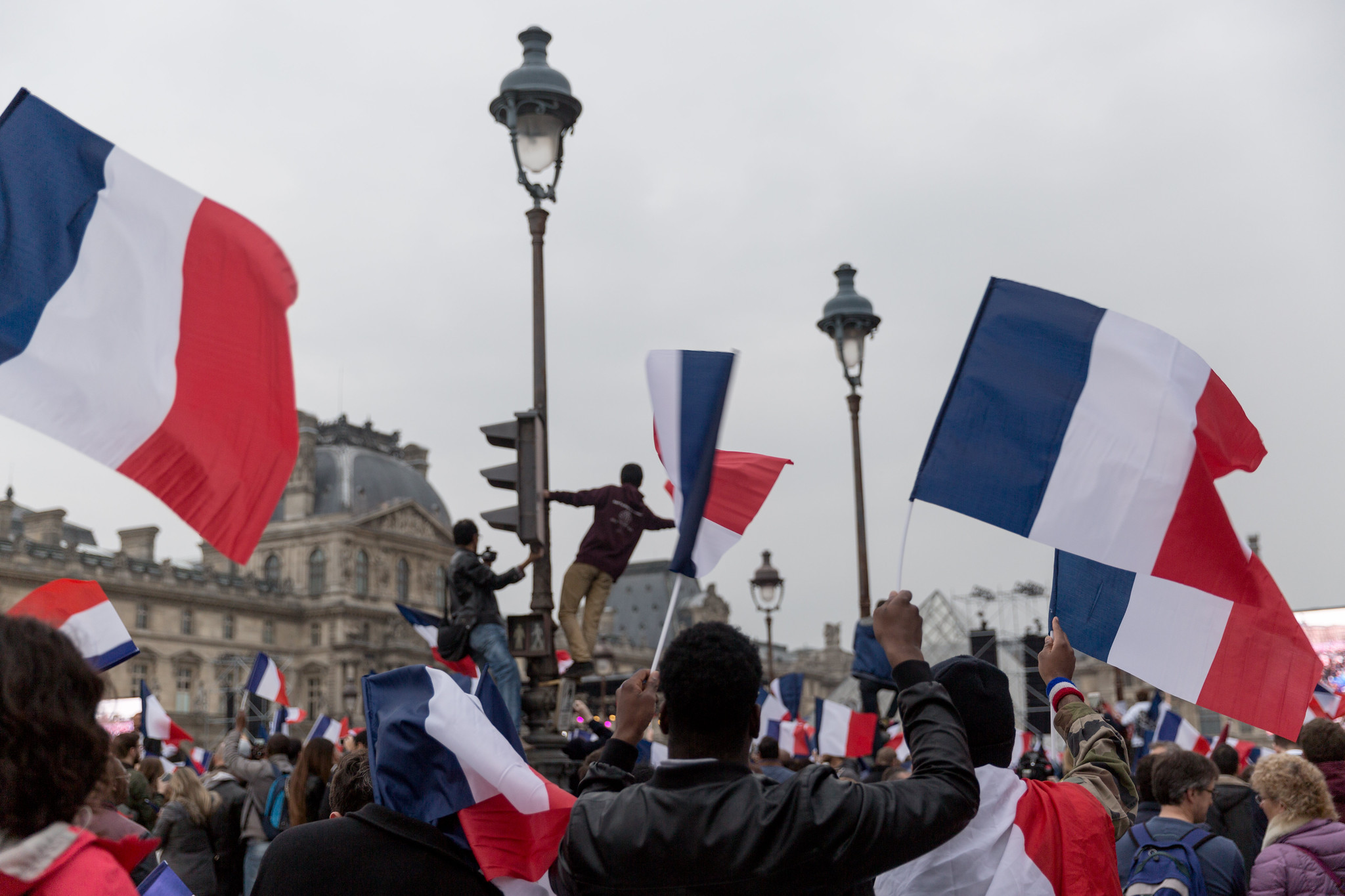
Photo: Lorie Shaull

Français Magyar Polski Română Русский Deutsch

Time is running out in Paris

There are so many that it’s hard to keep track. Between those who have officially declared their candidacy, the potential candidates, the likely contenders, and the hidden contenders, there are so many contenders for the French presidency that one might truly believe they’re determined to bring the far right to power.

The centrists, the Greens, the social democrats, and the right-wing parties are all so effectively splitting the democratic vote in their bid to win it over that the first round seems all but decided and the second round already upon us. Jean-Luc Mélenchon on one side, Jordan Bardella or Marine Le Pen on the other—the left of the left and the right of the right are locked in a head-to-head race. And because France is just as predominantly right-wing as the rest of the world, and because many Democrats would refuse to choose the France insoumise, or would rather keep the France insoumise out of power than the Rassemblement national, the outcome is a foregone conclusion.

The far right is elected. Donald Trump and Vladimir Putin are popping champagne. They can’t believe their luck, as they’ve never made a secret of their support for the “patriots” of European democracies. And France, of all places! The EU’s sole nuclear power and its only permanent member of the Security Council! The architect of European unity! The EU’s second-largest economy!

Their dream has come true. The far right will cut France’s contribution to the EU budget in half, which will consequently collapse, since the other 26 member states will not be able to fill this gap and will instead be forced to reduce their own contributions. Now America is rid of this economic rival that has long cast a shadow over it. Now Russia is free to increase its pressure on all of Central Europe in order to reclaim a lost sphere of influence. Now Ukraine no longer has a united Europe to stand with it, and the Kremlin is able to exert influence over an entire continent that will no longer be protected by either the United States or the common defense system the EU had been building.

These misnamed “patriots” are turning France into a tool of two hostile powers. They are demeaning the nation and, at the same time, dismantling public broadcasting to hand it over to wealthy allies, while betraying their most modest voters by returning to their roots and brutally cutting social protections and public services.

This is what is in the making. This is what will soon play out if the democrats do not pull themselves together—all democrats, whether on the right, the left, or elsewhere—but every current and subcurrent of the French democracy wants its own candidate and hopes to prevail over the others, no longer seeing their common adversary.

How to make sense of this?

The egos of men and women who find it hard to admit that not everyone can be a De Gaulle are part of the problem, because the myth of the “man of destiny” resurfaces in France at every moment of crisis.

Yet France is indeed going through a crisis: it can no longer afford its current standard of living; it is losing ground in Africa; Germany claims to be poised to take its place as the Union’s leading military power; it can no longer play the Gaullist card of independence between Washington and Moscow; and the future of its major industries depends on the assertion of European industrial policies.

Even as Europe has rallied behind their ideas of common defense and strategic autonomy, the French feel disoriented and lost. Europe speaks French, but instead of drawing strength and pride from this, the French are hesitant to embrace the identity offered by this spectacular political success, the fruit of such long-standing tenacity. As astonishing as it may seem, they are reluctant to take on the role of architects of a European renaissance and, one day, of European primacy.

The French are torn between an identity rooted in the past—one so singular that it borders on arrogance—and the affirmation of a European identity, which is, however, far more ambitious and more in keeping with their national history, as it reconnects them with the times when they guided Europe toward new horizons.

In this upcoming presidential election, there is the France of yesterday—the France that retreats into past centuries, the France of an aging and rambling far right and far left—and the France of tomorrow, braving the winds of renewal and blazing trails toward a new European power, outside of which there is no future other than that of becoming a museum of lost greatness. The tragedy of this France of tomorrow is that its supporters still believe they are in the midst of a civil war—between the bourgeoisie and the proletariat, the right and the left, business and the redistributionists—even though the left has long defended business and the right has embraced social protection. Today, they must stand together to defend both against Chinese dumping, Putin’s revanchism, and the breakdown of Atlantic solidarity. Just as in all of Europe, France needs a great democratic party—a party of the Enlightenment, of social equity and innovation, and of the affirmation of a united Europe against the empires that dream of dividing it up. There is still time, but much like in London and Berlin, time is running out in Paris.

Photo: Lorie Shaull

Français Magyar Polski Română Русский Deutsch